




Speech Therapy
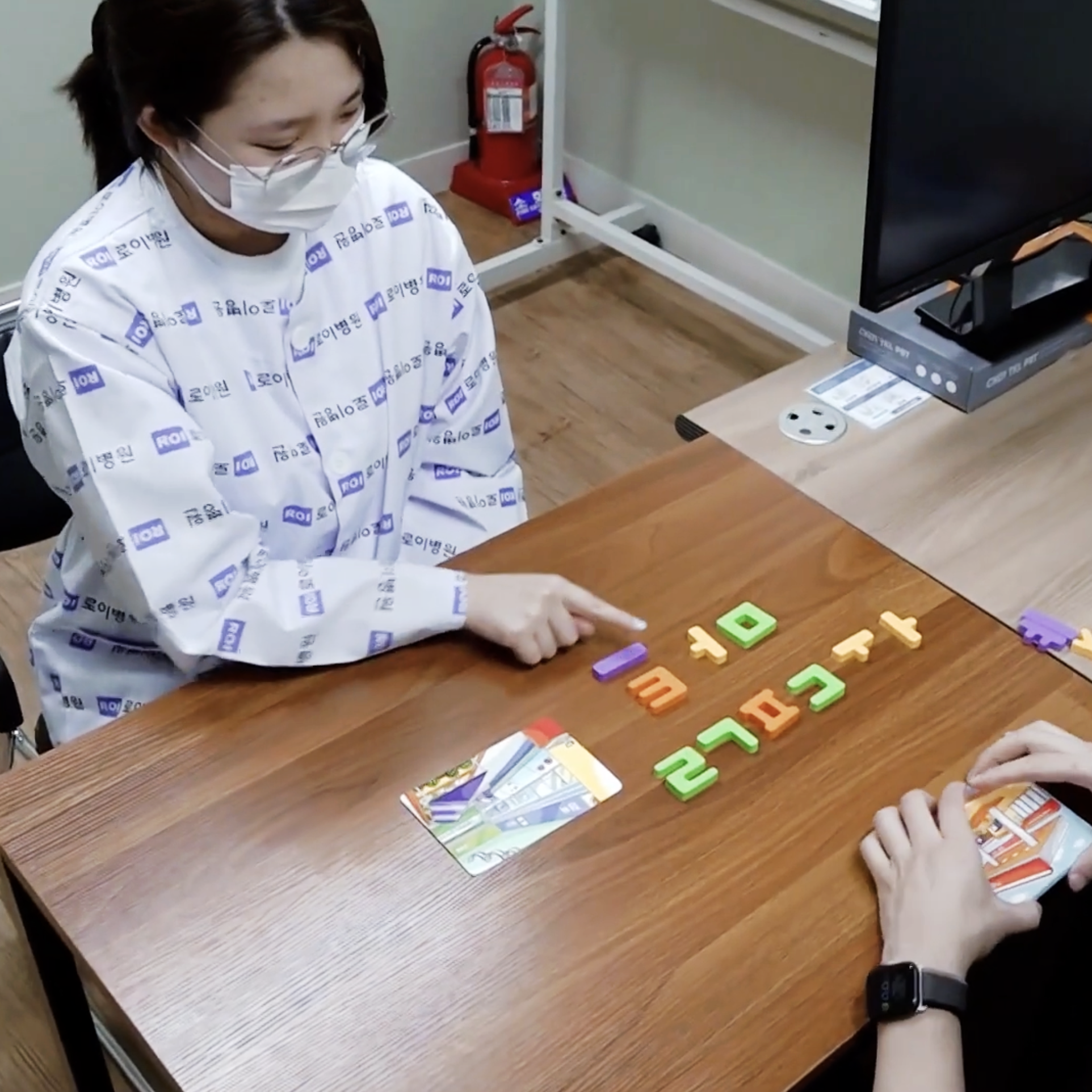
Speech Therapy at ROI Hospital is a specialized program for patients who experience difficulties in speaking, listening, reading, or writing due to brain injury, neurological damage, or degenerative disorders.
Through standardized speech and communication assessments, we precisely analyze receptive and expressive language difficulties, articulation issues, voice or resonance disorders, and fluency problems.
Based on this evaluation, we provide personalized therapy aimed at improving each patient’s overall communication abilities.
Because language difficulties affect not only expressive skills but also relationships, social participation, emotional expression, and daily communication, ROI Hospital focuses on treatment plans that support functional recovery and real-life communication integration, helping patients return to natural, confident interaction.
Who Is Speech Therapy For?
1. Neurogenic Speech and Language Disorders
‣ Stroke
‣ Dementia
‣ Dysarthria
→ Impaired comprehension, expression, and speech intelligibility
2. Articulation & Phonological Disorders
‣ Difficulty producing specific sounds
‣ Reduced clarity at the word or sentence level
3. Voice Disorders
‣ Changes in voice quality
‣ Hoarseness or resonance problems
‣ Difficulty controlling breath support or vocal fold use
4. Fluency Disorders
‣ Stuttering
‣ Cluttering
→ Difficulty maintaining fluent speech rhythm and flow
Speech Therapy Programs
1. Treatment for Neurogenic Language Disorders
Focused on language impairments caused by brain or neurological injury.
‣ Integrated training for speaking, listening, reading, and writing
‣ Melodic Intonation Therapy (MIT)
‣ Word retrieval training
‣ Visual Action Therapy (VAT)
‣ Sentence production and language organization skills
2. Articulation & Phonological Therapy
Structured training to improve speech intelligibility.
‣ Sound (phoneme) production training
‣ Word → sentence → paragraph articulation practice
‣ Oral-motor exercises and placement correction
‣ Establishing accurate speech sound patterns
3. Voice Therapy
Improving overall voice quality and vocal function.
‣ Basic breathing control training
‣ Resonance correction
‣ Vocal fold coordination and phonation training
‣ Techniques for stable, clear voice production