



Occupational Therapy
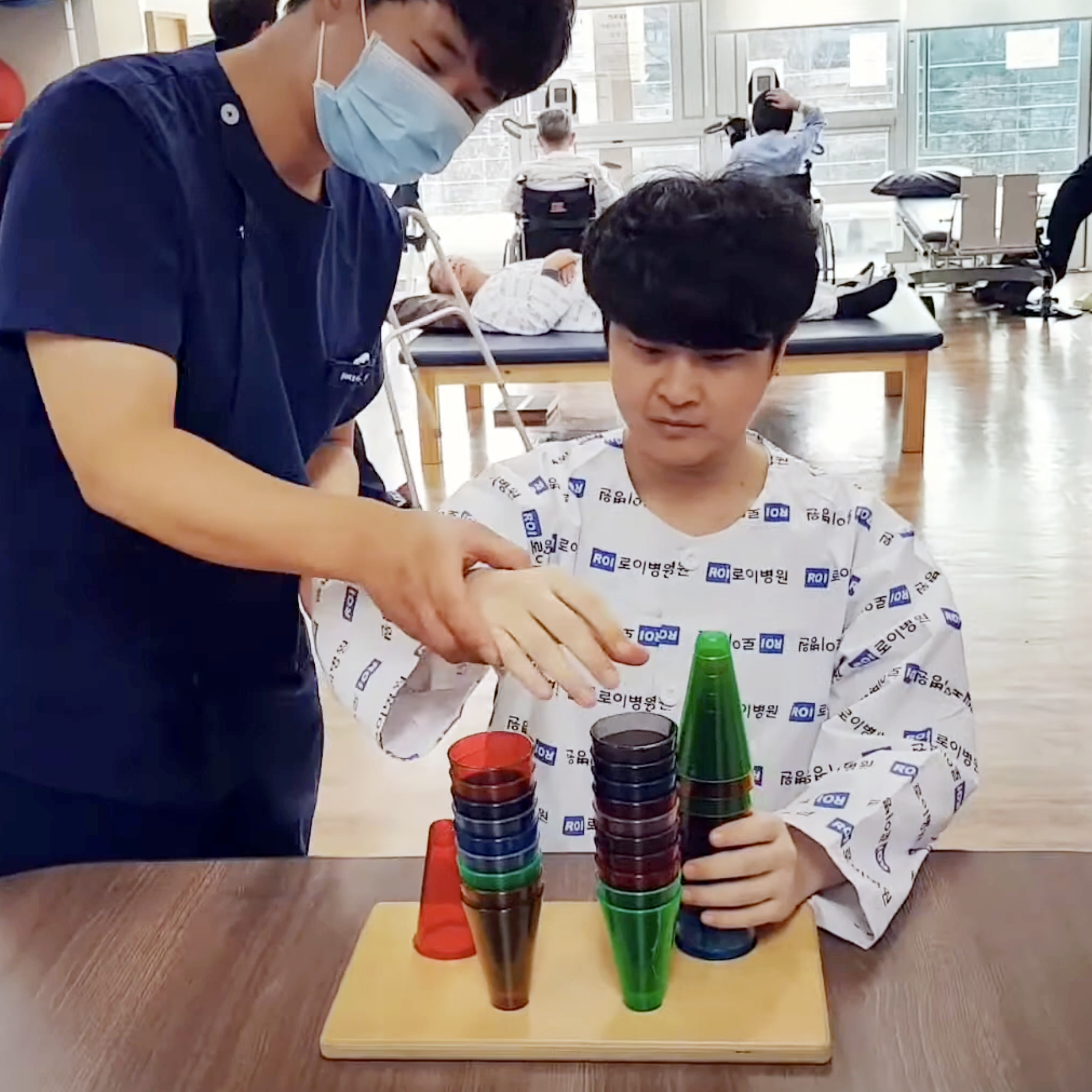
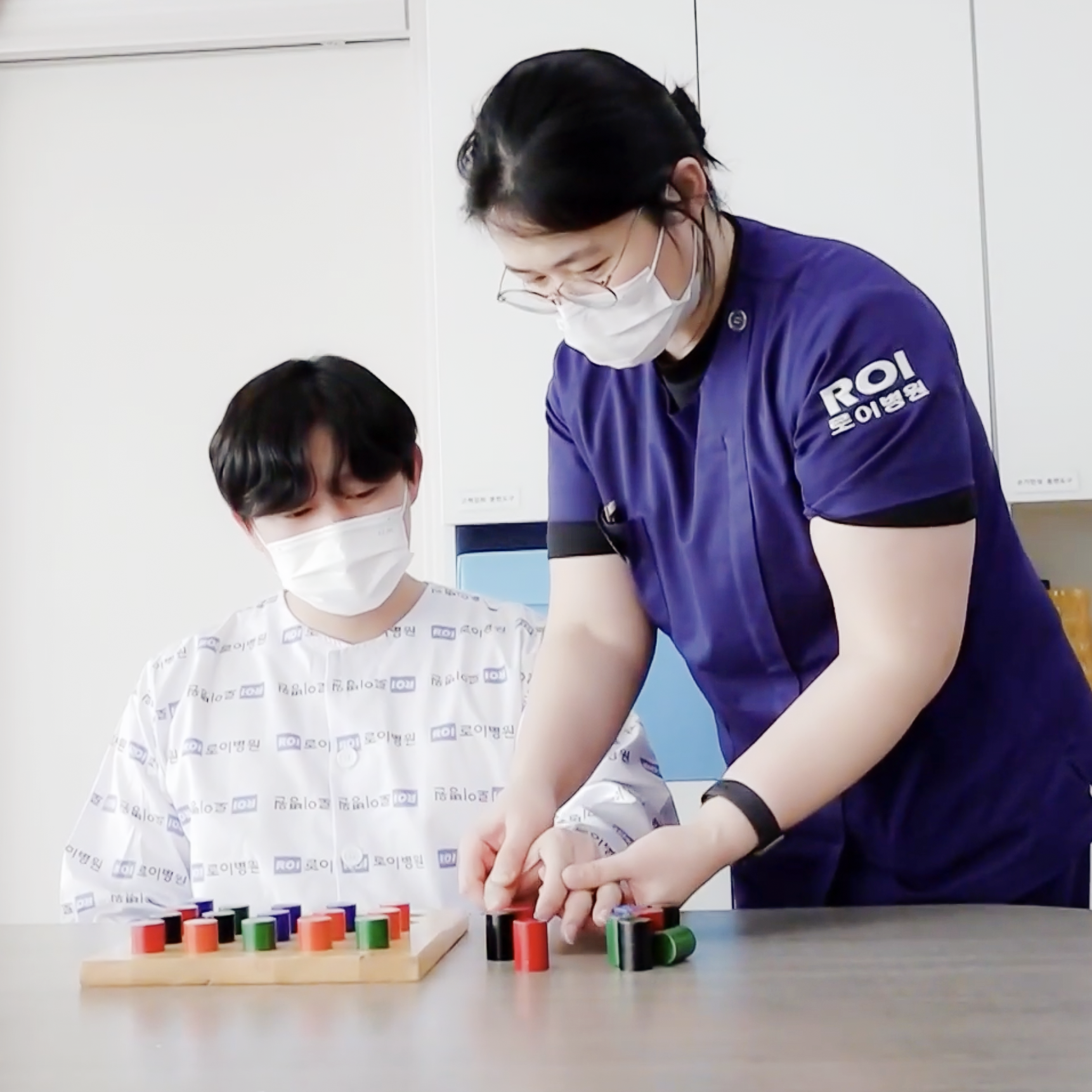
At ROI Hospital, occupational therapy begins with a deep understanding of each patient’s life changes—past and present—and the functional challenges they face in daily living.
We provide individualized, one-on-one therapy primarily for patients with central nervous system disorders such as stroke, spinal cord injury, traumatic brain injury, and Parkinson’s disease.
Using standardized assessments and neurological approaches, our program focuses on improving the patient’s ability to perform meaningful daily activities.
Occupational therapy goes beyond restoring physical function. Our goal is to prepare patients to return home and resume independent living. We evaluate posture, movement, sensory-perceptual skills, muscle function, cognition, and psychological factors to design a personalized treatment plan for each individual.
Indications for Occupational Therapy
1. Central Nervous System Disorders
‣ Stroke
‣ Spinal cord injury
‣ Traumatic brain injury
‣ Parkinson’s disease and other neurodegenerative conditions
2. Peripheral Nervous System Disorders
‣ Guillain–Barré syndrome
‣ Amyotrophic lateral sclerosis (ALS)
‣ Functional impairment due to peripheral nerve injury
3. Functional Limitations in Daily Living
‣ Difficulty performing ADLs (Activities of Daily Living)
‣ Swallowing difficulties
‣ Cognitive decline affecting daily functioning
Occupational Therapy Programs
1. One-on-One Occupational Therapy
We assess the patient’s overall ability to perform daily activities using standardized tools and interviews.
Based on comprehensive analysis—including sensory-perceptual factors, neuromuscular function, and cognitive/psychological components—we provide personalized therapy aimed at maximizing independence in daily living.
2. Dysphagia (Swallowing) Therapy
Designed for patients who struggle with adequate nutrition and hydration due to swallowing difficulties.
Therapy includes:
‣ Vibratory massage and ice-stick stimulation to enhance facial and oral sensory awareness
‣ Oral motor training to improve chewing and swallowing function
‣ Guidance on selecting appropriate food textures
‣ Education on safe eating posture and environment
‣ Neuromuscular electrical stimulation (NMES) to activate deep swallowing muscles
These interventions help patients eat safely and maintain sufficient nutritional intake.
3. Computerized Cognitive Rehabilitation
Provided for patients with mild cognitive impairment due to aging, Alzheimer’s dementia, or cognitive decline following brain injury.
Training focuses on:
‣ Orientation
‣ Memory
‣ Attention and concentration
‣ Visual–spatial construction
‣ Problem-solving
‣ Executive functioning
Through structured, computer-based tasks, we aim to improve cognitive skills essential for independent daily living.