


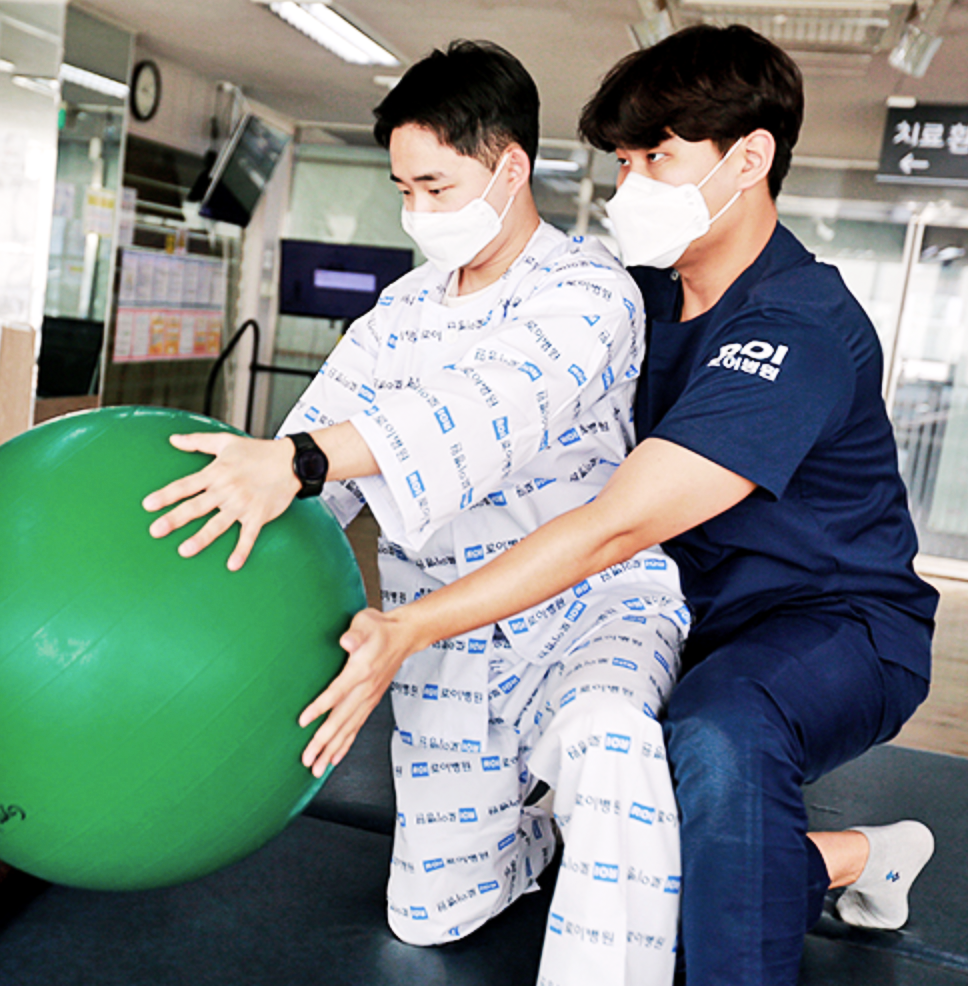
Physical Therapy
Physical therapy focuses on rehabilitation for patients with central nervous system disorders such as stroke, spinal cord injury, traumatic brain injury, and Parkinson’s disease.
Our licensed physical therapists, who have completed advanced training and certification in neurorehabilitation, provide one-on-one intensive sessions tailored to each patient’s stage of recovery. Through neurologically based assessment, we thoroughly evaluate joint range of motion, muscle strength, balance, gait, and postural control.
The goal is to deliver personalized intervention that restores functional abilities, enhances independence, and ultimately supports patients in returning to their home and daily life.
Who Is Physical Therapy For?
Physical therapy benefits patients with the following central nervous system, peripheral nervous system, and orthopedic conditions:
1. Central Nervous System Disorders
‣ Stroke
‣ Spinal cord injury
‣ Traumatic brain injury
‣ Parkinson’s disease & other neurodegenerative disorders
2. Peripheral Nervous System Disorders
‣ Guillain–Barré syndrome
‣ Amyotrophic lateral sclerosis (ALS)
‣ Peripheral nerve injuries & conduction disorders
3. Orthopedic Conditions
‣ Post–total hip replacement rehabilitation
‣ Post–total knee replacement rehabilitation
‣ Functional recovery after orthopedic surgeries
Physical Therapy Programs
1. One-on-One Neurorehabilitation
Personalized, intensive sessions provided by therapists trained in Bobath, PNF, and NDT techniques.
We analyze functional postures—supine, prone, side-lying, sitting, standing, and gait—to achieve the highest possible level of functional recovery.
2. Gait Training
Applicable for patients who can sit, stand, or begin walking.
‣ Treadmill-based gait enhancement
‣ Standing frames for balance and postural control
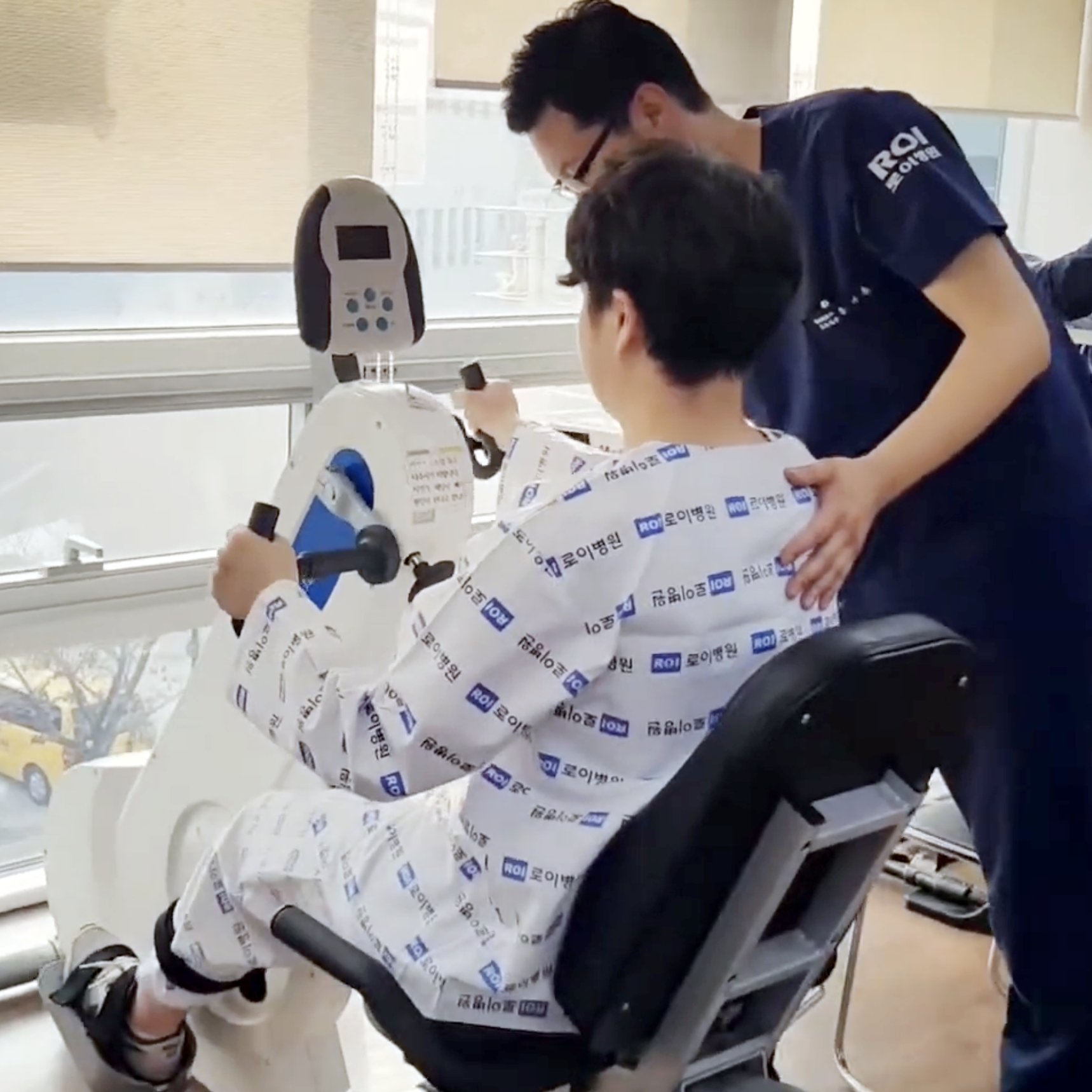
‣ Upper/lower limb ergometers to improve strength and endurance
These interventions support recovery of functional walking ability.
3. Mat & Mobility Training
Designed for patients who require foundational preparation before higher-level mobility tasks.
‣ Tilt-table training to strengthen antigravity muscles
‣ Upper/lower limb range-of-motion maintenance & improvement
‣ Motor input via upper/lower limb cycling devices
These methods help establish essential functions needed for standing and gait.
4. Functional Electrical Stimulation (FES)
Electrical stimulation is applied to support muscle activation, correct movement patterns, and improve motor control.
FES enhances muscle strength, reduces spasticity, and assists in relearning functional movement during daily tasks or gait training.