


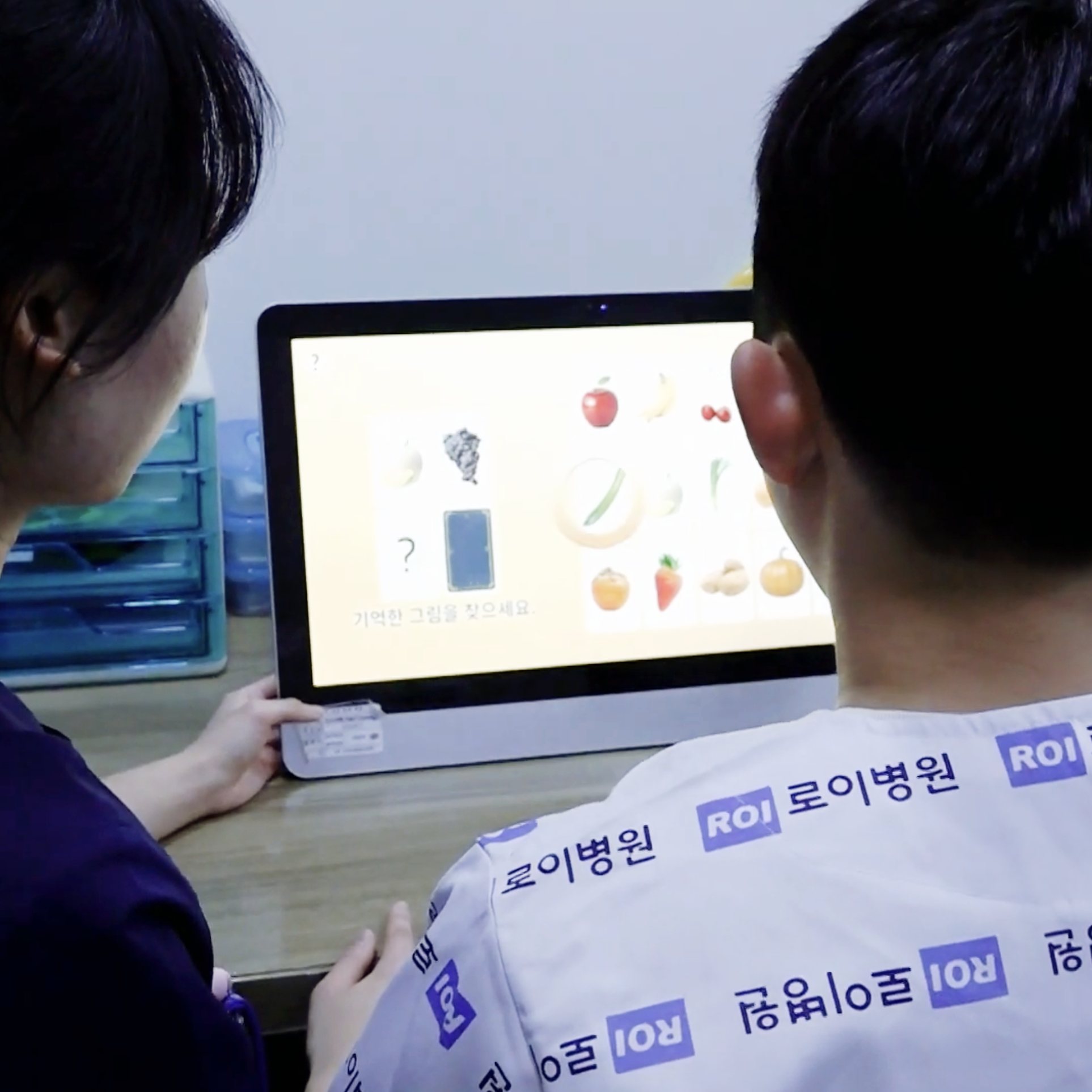
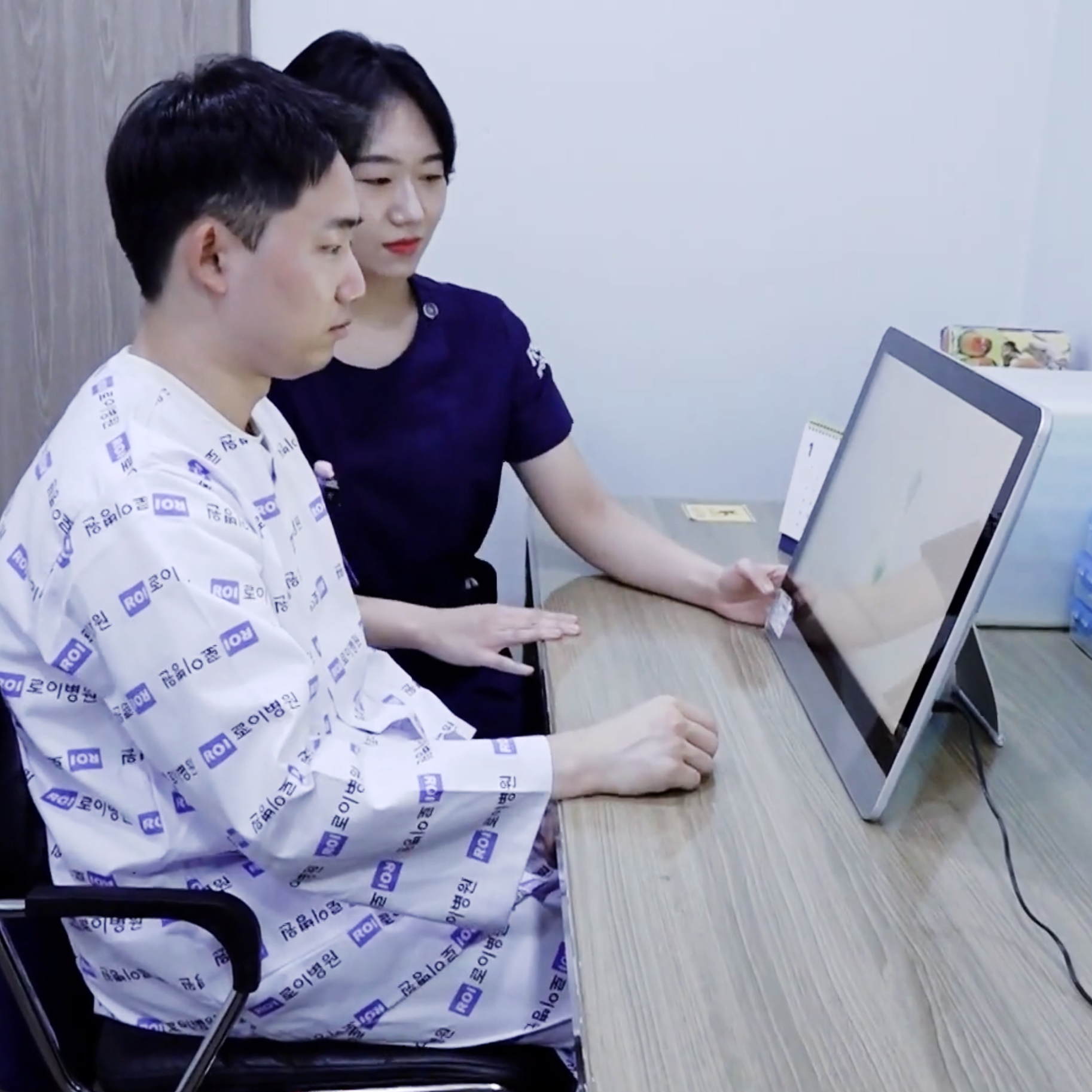
Computerized Cognitive Therapy
Computerized Cognitive Rehabilitation Therapy at ROI Hospital is a specialized program designed to assess and improve cognitive functions that have declined due to aging, brain injury, or neurological disorders.
Using standardized assessment tools, we conduct a detailed evaluation of essential cognitive domains—including level of consciousness, orientation (time, place, person), memory, attention, visuospatial abilities, reasoning, and executive function.
Based on these results, we provide individualized, goal-oriented cognitive therapy tailored to each patient’s specific deficits and functional level.
Computerized cognitive rehabilitation aims to prevent further decline, restore impaired abilities, and maintain remaining functions, ultimately improving judgment, concentration, and memory required for daily life.
Who Is Cognitive Therapy For?
1. Mild Cognitive Impairment (MCI) and Age-Related Cognitive Decline
‣ Age-related decline in memory or attention
‣ Diagnosed Mild Cognitive Impairment (MCI)
2. Cognitive Decline Due to Neurological Conditions
‣ Alzheimer’s disease and other degenerative dementias
‣ Post-stroke or post-traumatic brain injury cognitive impairment
‣ High-level cognitive difficulties (judgment, planning, execution) following spinal cord injury
3. Subjective Cognitive Decline
‣ Self-reported memory loss, decreased concentration, or impaired judgment/problem solving
‣ Reduced efficiency in daily activities due to cognitive difficulties
Cognitive Therapy Program
At ROI Hospital, we utilize the ComCog (Computerized Cognitive Rehabilitation) system as the core of our program. Therapists adjust training content based on each patient’s evaluation results.
1. Features of the ComCog Program
‣ Hierarchical cognitive training structure
A systematic approach progressing through:
Level of consciousness → Attention → Perception → Discrimination → Organization → Memory
‣ Immediate performance feedback
Real-time analysis automatically adjusts task difficulty based on patient performance.
‣ Repetitive training to promote neuroplasticity
‣ Objective tracking and monitoring
Performance data is presented in a format easily understood by patients, caregivers, and clinicians.
‣ Customized training aligned with individual goals
2. Core Cognitive Areas Trained
‣ Orientation (time, place, person)
‣ Attention and concentration
‣ Memory (immediate, short-term, working memory)
‣ Visuospatial and constructional abilities
‣ Reasoning and problem-solving
‣ Executive function (planning, organization, initiation, task execution)